A comfortable room reading can be useful without answering every question about a building. A humidity meter describes conditions around its sensor; it does not certify that a wall cavity is dry, identify a stain, or establish that a home is free of mold. For households trying to understand recurring dampness, the most useful next step is often a short, consistent observation record rather than an argument about one number. This guide explains how to organize that record and how to recognize its limits. It is educational desk research, not a report from an inspection of an Atlanta property.
Start with the question the reading can answer
Decide what you are trying to understand before collecting data. You might want to know whether a room stays humid overnight, whether ordinary bathing produces a brief rise, or whether one area behaves differently from another. Those are narrower questions than asking whether a building is safe. Write the question at the top of the log. This helps prevent an attractive graph from being used later to support a conclusion it was never designed to establish. A measurement becomes more useful when its purpose is explicit.
Use the EPA target accurately
EPA guidance recommends keeping indoor relative humidity below 60 percent and ideally between 30 and 50 percent, if possible. That is moisture-prevention guidance, not a promise that mold cannot exist whenever a display falls within the preferred range. Existing wet materials, local conditions, and a previous water event still matter. Record the source of the target rather than replacing it with an invented pass or fail threshold. A household log should support attention to moisture, not create a certificate of clearance. EPA moisture and humidity guidance
Keep relative humidity and temperature together
The word relative is important because the reading depends on air temperature. When comparing observations, retain the temperature shown with the humidity value rather than copying the percentage alone. Otherwise, a change in the record may be mistaken for proof that moisture has been added or removed. You do not need to build a laboratory model to notice this limitation. Simply keep the pair of values, the time, and the room location together so that a qualified person can interpret the context if further investigation becomes necessary.
Make the location reproducible
Choose a safe, ordinary position that can be described clearly, such as a shelf in the occupied part of a room. Follow the device instructions about placement and operating conditions. Note whether the sensor was moved rather than pretending that every entry represents the same position. A meter beside a shower during use and a meter elsewhere afterward are not a controlled before-and-after comparison. Reproducible placement does not guarantee accuracy, but it reduces one avoidable source of confusion when several household members contribute observations.
Describe the instrument without overselling it
Record the make or model, the date you started using it, and any relevant manufacturer instructions about accuracy or maintenance. A device can display a precise-looking percentage without that precision establishing the reliability of a broad building conclusion. If two meters disagree, note the disagreement and seek appropriate guidance rather than choosing whichever reading is more reassuring. Do not improvise a calibration procedure from a social post. The aim is to understand the quality of the observations, including uncertainty, instead of hiding differences behind an average.
Observe patterns rather than chasing every fluctuation
A practical log can include a few consistent observation times and notes about unusual events. Constantly checking the display may generate more anxiety than useful context. Select a routine that fits the household and explain why those times were chosen. If a noticeable rise happens between scheduled observations, add a note rather than rewriting earlier entries. A short record with honest gaps is more informative than a polished chart reconstructed from memory. Missing data should stay marked as missing, especially when another person will use the record.
Add activities that explain the context
Alongside the numbers, note ordinary activities that may be relevant, such as bathing, cooking, indoor laundry drying, or a change in heating and cooling operation. These notes are observations, not proof that any one activity caused a moisture problem. Avoid turning the log into a detailed record of family movements or private routines. A simple description such as shower recently used is generally more useful than personal information. The purpose is to make the environment understandable while keeping the record proportionate and easy to maintain.
Do not let the log replace visible evidence
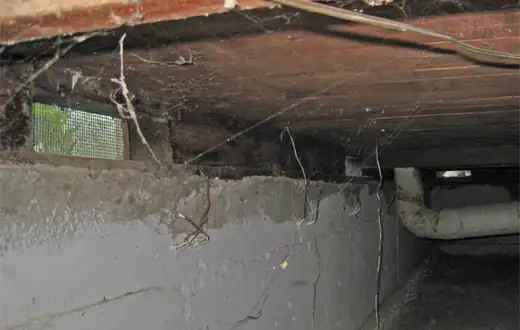
EPA advises responding to condensation or moisture on windows, walls, or pipes and reducing the moisture source. If you can safely observe a new wet patch, recurring condensation, or another sign of dampness, retain that information even when the room meter looks ordinary. Do not open walls, lift contaminated materials, or enter inaccessible areas to complete the record. Photographs from a safe, permitted location can preserve an observation for a qualified professional without turning a prevention exercise into a disturbance investigation. EPA home moisture guide
Separate room-air observations from material assessments
A humidity display and a professional material-moisture assessment answer different questions. Ask an investigator to identify what was measured, where, and how the result was interpreted. Avoid copying an isolated building-material number into a household log as though it were another room-air percentage. Materials, instruments, and measurement methods can differ. The useful record is the explanation connecting the measurement to the location and the moisture question. If that explanation is missing, ask for clarification instead of assuming that every percentage describes the same physical condition.
Use comparisons carefully
Comparing two rooms can suggest a pattern, but the rooms may have different temperatures, activities, airflow, and exterior exposure. List those differences before drawing conclusions. A bathroom and a bedroom are not interchangeable reference spaces merely because they share a hallway. If you move the same meter between rooms, record the move and follow its instructions about taking a stable reading. Comparisons should identify questions worth asking, such as why one area remains damp, rather than establish a diagnosis from a small informal dataset.
A hypothetical week of useful notes
Consider an illustrative household that notices a musty smell near a storage wall. Their log records the same shelf location in the morning and evening, together with temperature and notes about rain and bathing. Most room readings appear unremarkable, but a photographed stain changes after rain. The reasonable next question concerns the moisture source and affected materials, not whether the average humidity can dismiss the stain. This example is invented to demonstrate interpretation; it is not a field case, a measured prevalence claim, or a guarantee about any particular wall.
Document a change before judging the result
If a qualified professional recommends an adjustment, record what changed and when. Changes might involve a repaired source or an operating practice, but the log should not invent the mechanism. Keeping the timeline makes it easier to distinguish conditions before and after the work. Avoid making several unrelated changes while expecting the log to prove which one mattered. Household observations rarely provide that level of experimental control. They can still show whether the original concern recurs and whether further follow-up is needed.
Understand what a dehumidifier display means
ENERGY STAR describes dehumidifier selection in terms of both the space and the dampness conditions, and explains that a humidistat provides a humidity setting. The setting on a machine is not the same as verified conditions throughout a property. A display near the equipment should be interpreted in context with the rest of the observations. Persistent water entry still needs attention. When equipment is proposed, ask how its role fits the moisture plan instead of assuming that a lower number means every affected material has recovered. ENERGY STAR dehumidifier guidance
Know when routine monitoring is no longer the task
A known leak, substantial water damage, suspected contaminated water, or suspected mold affecting an HVAC system calls for appropriate professional assessment rather than an extended wait for more household readings. EPA specifically addresses contractor experience, contaminated-water problems, and HVAC concerns in its cleanup guidance. A monitoring log can accompany the request for help, but should not be used to postpone it. If there are immediate safety hazards, leave the affected area and contact the relevant emergency or utility professionals; do not approach equipment or water to obtain a number. EPA cleanup and escalation guidance
Ask for a clear explanation of uncertainty
When discussing the log with a qualified person, ask which observations are useful and which are insufficient. Can the readings help explain the room pattern? What remains unknown about the moisture source or concealed materials? Is another type of assessment needed, and why? A clear answer should distinguish observation from inference. Request that unresolved questions remain visible in the written summary. An uncertainty list is not a failure of the investigation; it helps prevent a narrow measurement from being presented as a comprehensive assessment.
Keep health questions separate from meter interpretation
A humidity number cannot diagnose a symptom or establish an individual's response to a building. People with health concerns should discuss them with a healthcare professional rather than use a log as a medical test. The record may help communicate dates and environmental observations, but it does not identify a medical cause. Avoid collecting a family member's private health history in a shared maintenance spreadsheet. If necessary, keep building records and personal medical information separate so each can be discussed with the appropriate professional.
Close the loop with a follow-up plan
Before stopping the log, describe what was learned and what still needs attention. Identify the location of the readings, the dates covered, any repair documentation, and the person responsible for follow-up. Retain original entries rather than replacing them with a single average. Decide what observable event should trigger another review, such as a recurring wet patch or a renewed odor, without inventing a universal numerical alarm rule. The finished product is a practical communication record: it helps the next person understand the concern and the limits of the evidence.
A useful number stays within its purpose
The benefit of monitoring is not that it turns a household device into an inspector. It makes otherwise vague statements more specific: which room, what time, what conditions, and what changed. A careful log can support maintenance decisions while leaving professional assessment and medical interpretation to the appropriate people. Keep the EPA prevention range in view, but keep the building itself in view as well. A reading is most useful when it directs attention to moisture control rather than becoming a reason to ignore evidence that deserves a closer look.